
If you have been putting off a window replacement project and wondering when to finally schedule it, you are not alone. Homeowners across the Philadelphia metro area and the Lehigh Valley ask this question every year, and the honest answer is that Pennsylvania’s climate gives you more flexibility than most people assume. Still, some seasons make the process smoother, faster, and more comfortable than others. This guide walks through what actually matters when you are deciding on timing, from weather and installation logistics to tax incentives and contractor scheduling.
Why Timing Matters for Window Replacement in Pennsylvania
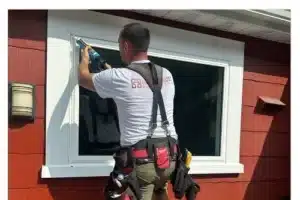
Pennsylvania sees a full range of weather, from humid summers to cold, snowy winters, with a lot of rain and temperature swings in between. Window replacement involves removing the old unit and exposing your home’s interior to outside air for a short period while the new window is set, sealed, and trimmed out. In most cases this exposure lasts less than an hour per window, but wind, precipitation, and extreme temperatures can still affect the installation quality, the curing time of sealants and foam insulation, and your comfort while the work is being done. Choosing a season that gives installers stable, moderate conditions typically results in a cleaner install and a better long-term seal around the frame.
Late Summer and Early Fall: Often the Sweet Spot
For much of Pennsylvania, late summer into early fall (roughly August through October) tends to offer the most predictable conditions for window replacement. Temperatures are moderate, humidity is usually lower than in July, and there is typically less rain than in spring. Sealants, caulks, and spray foam insulation cure at a steady rate in these conditions, which supports a tight, weather-resistant seal around each new window. This season is also popular because homeowners want new windows installed and settled before the first cold snap arrives, so heating bills do not spike while the house is still adjusting to its new envelope.
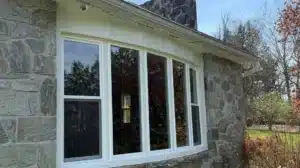
Contractors in this region, including crews working projects like the ones featured in our Bethlehem, PA window installation project, often see a steady flow of fall bookings for exactly this reason. If you are aiming for this window (no pun intended), it is worth reaching out in summer to lock in a schedule before the fall rush fills up.
Spring Replacement: Pros and Cons
Spring is another commonly chosen season, and it has real advantages. Mild daytime temperatures make working conditions comfortable for installers, and getting new windows in before summer means you start benefiting from better insulation and reduced air leakage right when air conditioning season begins. The main drawback is Pennsylvania’s spring rain. Storms can be unpredictable, and installers need dry conditions to properly seal and finish a window opening. A good contractor will build some flexibility into a spring schedule to work around wet weather, but it can occasionally push a project back a day or two. If you want your home ready for summer cooling, spring is still a solid choice as long as you build in a little scheduling cushion.
Winter Window Replacement: When It Still Makes Sense
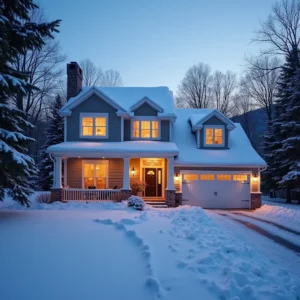
A lot of homeowners assume winter is off the table for window replacement, but that is not entirely true. Professional installers regularly complete window replacements during Pennsylvania winters, including in areas like the ones covered in our Warminster Heights window installation guide. Modern installation techniques allow one window to be removed and replaced at a time, which limits how long any single opening is exposed to outside air. Winter can even be a practical time to replace windows if you are dealing with drafts, condensation, or ice buildup on your current units, since those symptoms make the case for replacement obvious and urgent.
That said, winter installs come with tradeoffs. Extreme cold can slow the cure time of some sealants and foam products, and heavy snow or ice storms can delay a scheduled appointment. If your windows are failing badly enough that you are losing real heat, waiting until spring may cost more in energy bills than any inconvenience of a winter install. This is a case where the urgency of the problem should guide the timing more than the calendar.

The shaded band shows the mild range where sealants and foam cure predictably. Huntingdon Valley sits inside it from April through October. Mount Pocono, roughly 8 degrees colder in most months, enters that band later in spring and leaves it earlier in fall, which is why higher-elevation homes benefit from booking earlier in the season.
How Pennsylvania’s Climate Zones Affect Installation Decisions
Pennsylvania spans more than one climate zone as defined by federal energy guidance, and homeowners in the Poconos, including Monroe and Carbon County, generally deal with colder average temperatures and a longer heating season than homeowners closer to Philadelphia. The U.S. Department of Energy’s guidance on when to update or replace windows notes that climate and current window condition should both factor into timing decisions, not just the calendar season. Homeowners in higher-elevation or colder parts of the state may want to prioritize completing replacement before the coldest months set in, while homeowners closer to the city have a bit more flexibility to schedule around convenience rather than urgency.
This is one reason HomeTrust Windows & Doors serves projects across such a wide range of settings, from the Philadelphia metro area out toward expansion territory in the Poconos. Local conditions vary enough within Pennsylvania that a one-size-fits-all recommendation does not hold up. What works well for a home in Huntingdon Valley may not be the ideal timing for a home at higher elevation with a longer, colder winter season.
Planning Ahead: Lead Times, Permits, and Contractor Scheduling
One of the most overlooked factors in choosing “the best time” to replace windows is not weather at all, it is scheduling. Custom windows are typically ordered to fit your home’s exact openings, and manufacturing lead times can run several weeks depending on the product line, style, and material. If you want your windows installed by a specific season, you often need to place your order well before that season begins. Fall installs, for example, are frequently ordered in early to mid-summer to account for manufacturing time plus scheduling.
Permitting can also affect timing, since some municipalities require permits for window replacement, particularly when the size of the opening changes or when the work is part of a larger renovation. A contractor familiar with local requirements, like the team behind projects such as the Lower Salford Township window installation project, can help you understand what documentation your specific township requires before work begins. Building permit lead time into your planning avoids last-minute delays that push your project into a less convenient season.
- Order windows 6 to 10 weeks ahead of your target installation date, depending on product and manufacturer lead times
- Confirm whether your township requires a permit before scheduling installation
- Book your installation slot early if you are targeting the popular fall window
- Ask your contractor about weather contingency plans for spring or winter projects
Energy Efficiency and Tax Incentive Timing
Timing your window replacement can also intersect with tax planning. Federal tax credits for qualifying energy-efficient windows and doors are tied to the calendar year in which the work is completed and paid for, which means homeowners sometimes plan their installation date around year-end deadlines to make sure the project counts for that tax year. Our page on the 25C tax credit for windows in 2026 breaks down how this credit works and what documentation homeowners need to keep. If you are trying to use a specific tax year’s credit, it is worth scheduling your installation with enough buffer to avoid a late-December bottleneck, since contractors and manufacturers both see a seasonal crunch as the calendar year winds down.
Beyond tax timing, energy performance itself is worth considering when you choose windows. Ratings from the National Fenestration Rating Council and guidance from ENERGY STAR’s window, door, and skylight program can help you compare U-factor and solar heat gain coefficient ratings across products, which matters more for long-term comfort and utility costs than the season you happen to install in. Our overview of window frame materials covers how material choice affects performance across Pennsylvania’s temperature range, which is a useful companion consideration alongside timing.
Signs Your Windows Need Replacing Regardless of Season
While planning around ideal weather and scheduling is smart, some window problems should not wait for the “right” season. Visible rot, cracked or fogged glass, windows that will not open or lock properly, and noticeable drafts are all signs that the window is no longer performing its basic job of keeping outside air and moisture where it belongs. Homeowners dealing with these issues in areas like those covered in our Grill, PA window installation project or our London Grove Township window installation guide often find that addressing the problem promptly, rather than waiting for a specific season, prevents further damage to surrounding trim, sills, and interior walls. Water intrusion in particular tends to get worse the longer it is left unaddressed, regardless of what month it is.
If your windows are failing in a way that affects your home’s structure or your comfort, treat the repair as urgent and talk to a contractor about what is realistically achievable given current weather and scheduling, rather than waiting for an arbitrary “ideal” month.
Local Experience That Informs This Guidance
HomeTrust Windows & Doors is based in Huntingdon Valley, PA and has worked on window and door replacement projects throughout the Philadelphia metro area, with growing project work extending into the Poconos, including Monroe and Carbon County. That range of service territory means the crew has handled installations across a variety of Pennsylvania microclimates, from lower-elevation suburban homes to properties that see colder, longer winters. The company holds Pennsylvania Home Improvement Contractor license PA171374, active through May 26 2028 [PA Attorney General registry, verified 2026-07-13], and carries a 4.9 star rating across 52 Google reviews [Google Maps, verified 2026-07-13]. That combination of licensing, local project experience, and consistent customer feedback is why homeowners across the region turn to HomeTrust for guidance on not just which windows to choose, but when to schedule the work.
Frequently Asked Questions
Is it too cold to replace windows in a Pennsylvania winter?
No, professional installers regularly complete window replacements in winter by working one opening at a time to limit heat loss. Winter installs can even make sense if your current windows are drafty or failing, since delaying may cost more in energy loss than the minor scheduling tradeoffs of a cold-weather install.
How far in advance should I order replacement windows before my preferred season?
Custom windows typically take several weeks to manufacture, so it is smart to place your order roughly six to ten weeks before your target installation date, plus extra time if you are aiming for the busy fall season.
Does spring rain really delay window installation in Pennsylvania?
It can. Installers need dry conditions to properly seal and finish a window opening, so an unpredictable spring storm can occasionally push a scheduled install back a day or two. A good contractor builds flexibility into spring scheduling to account for this.
Should I time my window replacement around a tax credit deadline?
If you plan to claim a federal energy efficiency tax credit, the work generally needs to be completed and paid for within the applicable tax year, so it helps to schedule with a buffer before year-end to avoid the seasonal contractor and manufacturer crunch in December.
Do homes in the Poconos need to think about timing differently than homes near Philadelphia?
Yes, generally. Areas like Monroe and Carbon County tend to see colder temperatures and a longer heating season than the Philadelphia metro area, so homeowners there often benefit from prioritizing replacement before the coldest months arrive, while Philadelphia-area homeowners typically have a bit more scheduling flexibility.
If you are weighing the best time to replace your windows, whether that is this fall, next spring, or right now because your current windows are failing, the team at HomeTrust Windows & Doors can walk you through what makes sense for your home, your township, and your timeline. Call (215) 341-3331 or visit the showroom at 51 Buck Rd, Huntingdon Valley, PA 19006 to get a straightforward assessment and a realistic installation schedule that fits your Pennsylvania home.