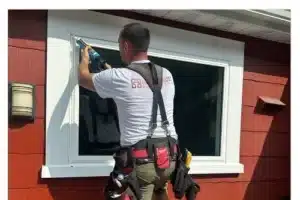
Pocono winter windows need three things: a sealed pane, a tight frame, and an ENERGY STAR Northern zone rating of 0.22 U-factor or lower. If you feel a draft beside a closed window in January, see fog trapped between the panes, or find frost on the inside of the glass, that window has already failed one of those three tests and is costing you money every day the heat runs.
The cost is bigger than most homeowners guess. The U.S. Department of Energy attributes 25% to 30% of residential heating and cooling energy use to heat gain and heat loss through windows. In a region where the furnace runs from October into April, a quarter or more of the heating bill moving through the glass is worth taking seriously.
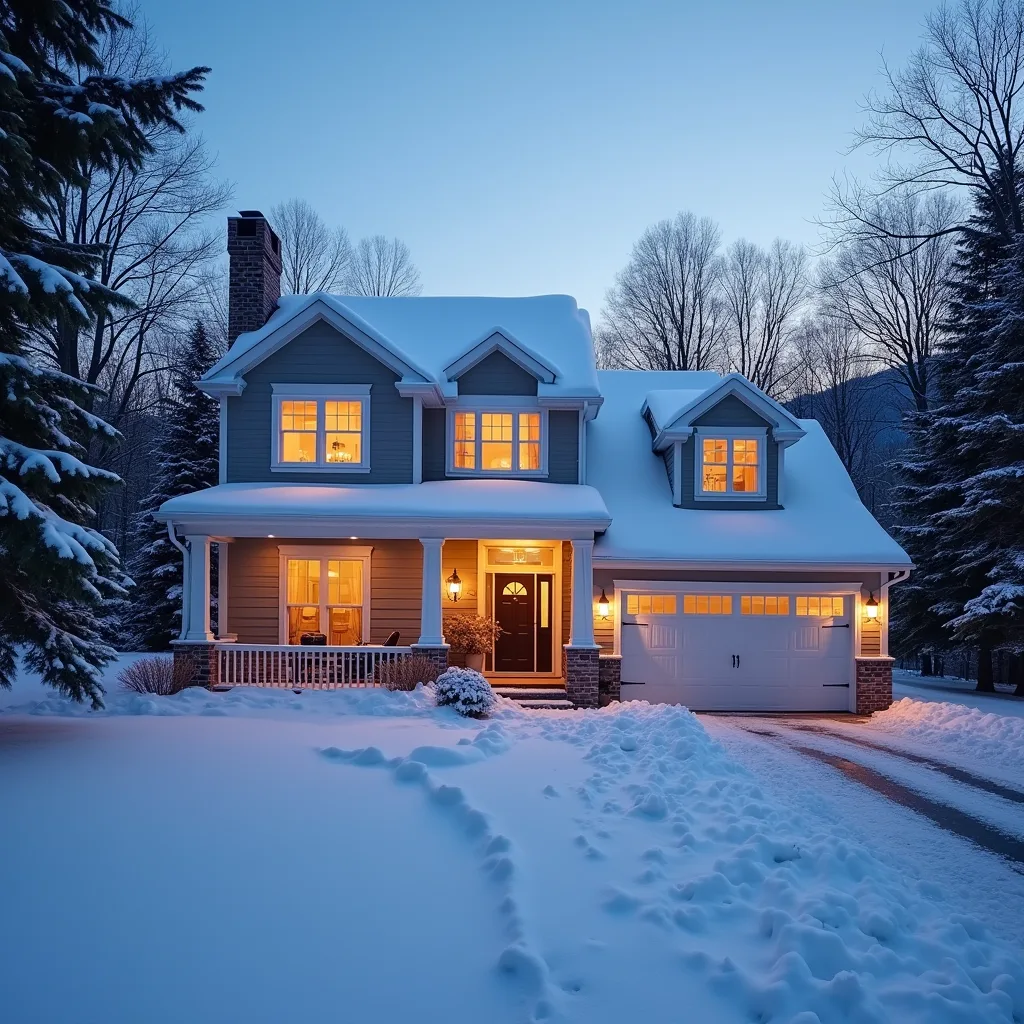
Homes in the Poconos work their windows harder than almost anywhere else in Pennsylvania. Long heating seasons, lake-effect wind, and wide day-to-night temperature swings in Monroe and Carbon County find every weak seal and every thin pane. We install windows across the Pocono region, including Lehighton and Palmerton, and this is what we check when a homeowner asks whether their windows will make it through another winter.
The Four Winter Failure Points
Four failures account for nearly every drafty window we are called out to see. Each one is visible from inside the house, without tools.
Seal failure. Double-pane windows rely on a sealed gas layer between the panes. When the seal goes, you get fogging between the glass and the insulating value drops. Fog you cannot wipe off from either side means the seal is gone, and no amount of caulk brings it back.
Frame movement. Wood and builder-grade vinyl frames expand and contract with temperature swings. Over years of Pocono winters, that movement opens gaps at the corners and between frame and wall. If you see daylight at a corner joint, air is moving through it.
Single-pane and early double-pane glass. Older cabins and converted vacation homes in the Poconos often still carry original glazing. Modern ENERGY STAR certified windows are rated for the Northern climate zone, the strictest tier for heat retention.
Condensation and ice on the inside. Interior frost or persistent condensation on the glass means the inside surface of the window is far too cold. That is the window telling you it is no longer insulating.
What the Ratings Actually Require
The Poconos sit in the ENERGY STAR Northern climate zone. Under the current specification (Version 7.0, in effect since October 23, 2023), a window certified for the Northern zone must have a U-factor of 0.22 or lower and a solar heat gain coefficient of at least 0.17.
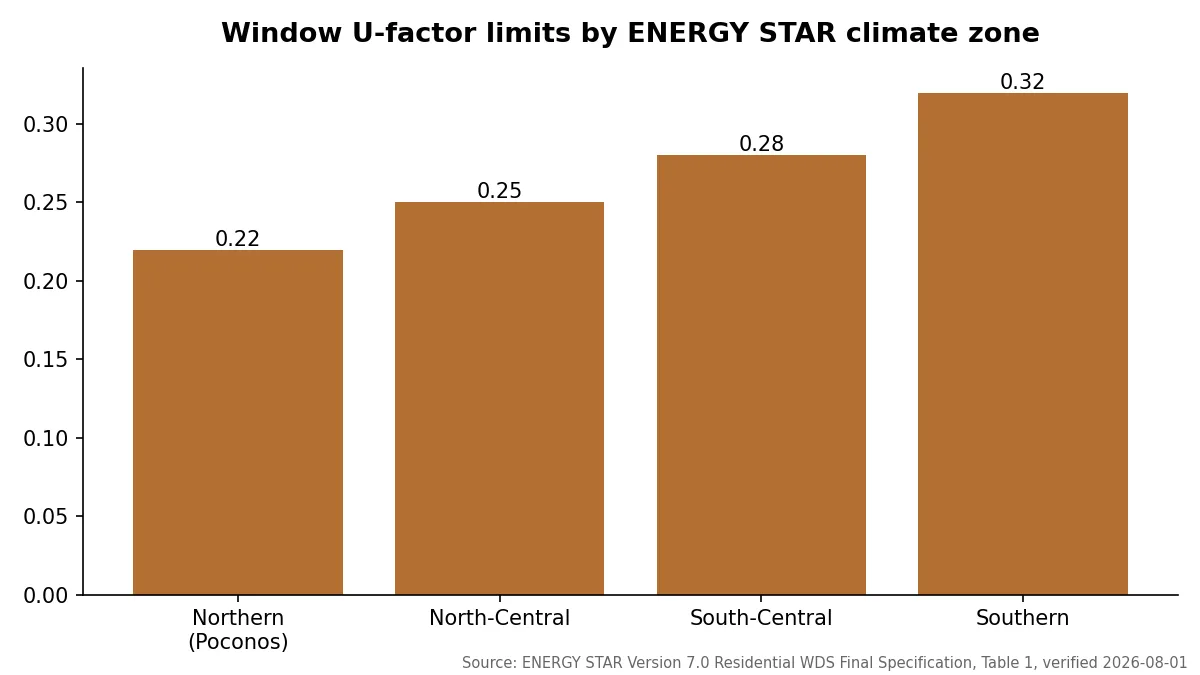
Two terms do the heavy lifting on that label:
- U-factor measures how fast heat escapes through the window. Lower is better. The Northern zone limit of 0.22 is the strictest of all four U.S. climate zones; the Southern zone allows up to 0.32.
- Solar heat gain coefficient measures how much of the sun’s warmth comes through the glass. In a heating-dominated climate, the Northern zone sets a minimum rather than a cap, because free solar heat in January is worth having.
The same specification caps air leakage at 0.3 cubic feet per minute per square foot for windows. That number separates a window that is rated tight from one that merely looks closed.
Whole-Home Replacement Beats One Window at a Time
Replacing a single drafty window feels cheaper, but in a Pocono winter it rarely solves the problem. The other windows from the same install are the same age with the same wear, so heat keeps leaving through the next-worst opening.
A whole-home window package fixes the full envelope in one project and one crew visit, keeps every window matched in style, color, and performance rating, costs less per window than repeated one-off installs, and gives you one warranty covering everything.
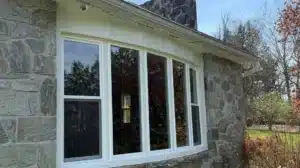
We make one exception. A failing bow window is a genuine standalone project because of its structure, and we handle those individually.
If budget is the concern, spreading the cost is usually a better answer than spreading the project across years. Our financing options exist for exactly this situation. Before you count on a federal tax credit to close the gap, read our plain-language update on what happened to the 25C window tax credit in 2026, because the rules changed and we would rather you hear it straight.
What to Look For in a Cold-Climate Window
When we spec Pocono winter windows for Monroe and Carbon County homes, we check four things on the label: the ENERGY STAR Northern zone rating, a U-factor of 0.22 or lower, double or triple-pane glass with insulating gas fill, and warm-edge spacers that cut condensation at the glass edge.
We walk you through the actual NFRC label of every window we quote, so you are comparing real ratings instead of marketing words. The premium window lines we carry all offer Northern zone certified configurations. Style matters too: if you are also weighing sash operation, our single-hung vs. double-hung windows guide breaks down ventilation, cleaning, and upkeep beyond the U-factor label. For the fuller picture of what separates a replacement that lasts thirty years from one that fails in ten, our guide on why homeowners renew their windows and doors covers the decision from every angle.
Get Ahead of the Season
The best time to install Pocono winter windows is before the deep cold arrives. A fall install means your new windows are sealed and settled before the first real freeze, and scheduling is easier than in the post-holiday rush.
Call us at (215) 341-3331 for a free in-home assessment of your whole home. We will tell you honestly which windows need replacing and which can wait.
Frequently Asked Questions
How do I know if my window seals have failed?
Look for fog, haze, or moisture between the two panes of glass that you cannot wipe away from either side. That means the insulating seal is gone and the gas layer that did the insulating work has leaked out. Seals cannot be repaired, so replacement is the fix.
Do new windows really make a difference on heating bills in the Poconos?
Yes. The U.S. Department of Energy attributes 25% to 30% of residential heating and cooling energy use to heat gain and loss through windows. The Pocono region sits in the ENERGY STAR Northern climate zone, the strictest rating tier for heat retention, so windows certified for this zone are built specifically to hold heat through long, cold winters.
What U-factor should replacement windows have in the Poconos?
Under the current ENERGY STAR specification, windows certified for the Northern climate zone must have a U-factor of 0.22 or lower. A lower number means the window holds heat better. Ask to see the NFRC label, where the U-factor is printed, rather than relying on a brochure.
Should I replace all my windows at once or one at a time?
For winter performance, whole-home replacement almost always wins, because the remaining old windows keep leaking heat and matched installs cost less per window under one warranty. The one exception is a bow window, which is a legitimate standalone project because of its structure.
Can windows be installed in cold weather?
Yes. Experienced crews install windows year-round, working one opening at a time so your home is never left open to the cold. Scheduling before the deep freeze is more comfortable for everyone and gets the efficiency gain working for you all winter.
Does the whole house need the same window brand and line?
It is not required, but it is what we recommend. Matched windows keep sight lines, frame colors, and performance ratings consistent, and a single manufacturer warranty covers every opening instead of a patchwork of coverage from different installs.